For many manufacturing SMEs, inventory software feels like the natural first step towards better control. It offers a clear view of what’s on the shelf, where it’s located, and when it needs reordering. For businesses that make things rather than simply sell them, however, an accurate stock count only tells part of the story. Knowing what materials are available says very little about whether an order can be fulfilled on time, at the right cost, and without disrupting everything else already on the production schedule.
Inventory software is built to track stock as it moves: goods received, transfers between locations, items sold. That works well in retail and distribution, where a product arrives and leaves largely unchanged. Manufacturing is different. Raw materials are transformed through the production process into finished goods across multiple stages, and basic inventory tools were never designed to follow that journey. A business might see several hundred units of a component showing as available, without any indication that a meaningful proportion is already allocated to open works orders, reserved for inspection, or committed further down the production schedule. The number on screen and the number genuinely free to use can be two very different things.
This gap becomes more pronounced once departments start working from separate systems. Production planning may be looking at one set of figures, purchasing another, and finance a third, each updated on a different schedule and rarely in full agreement. When information is fragmented in this way, decisions get made on outdated or incomplete data, and the time spent reconciling figures across teams is time not spent running the business. A single, shared view of stock, orders, and production status removes much of this friction and lets every department act on the same facts.

Cost visibility suffers for similar reasons. Inventory software typically records a static unit cost, which rarely reflects what a product actually costs to make. Labour, machine time, scrap, and rework all affect true production cost, and none of it is captured by a system built only to count stock. Margins can quietly erode on products that look profitable on paper, and the first sign of a problem is often the year-end accounts rather than anything flagged on the shop floor.
There is also the question of capacity. Stock levels say nothing about whether the machines, labour, and floor space needed to fulfil an order are available. Without that visibility, it’s entirely possible to promise a delivery date based on material availability alone, only for production to discover the schedule simply doesn’t have room for it. The result is missed deadlines, rescheduled jobs, and a customer left waiting for an explanation.
Finally, most inventory software is reactive by nature. It flags a shortage once stock has already run low, rather than anticipating it through bills of materials and supplier lead times. In a complex assembly, a single missing component can hold up an entire order, even when every other measure of stock looks perfectly healthy. Manufacturers need systems that look forward, not just systems that count what’s currently in the warehouse.
None of this means inventory software has no place in a manufacturing business. It means that on its own, it was never designed to answer the questions manufacturers actually need answers to: can we fulfil this order, what will it really cost, and do we have the capacity to deliver it on time. That requires inventory data to be connected to production scheduling, purchasing, and costing, not managed in isolation.
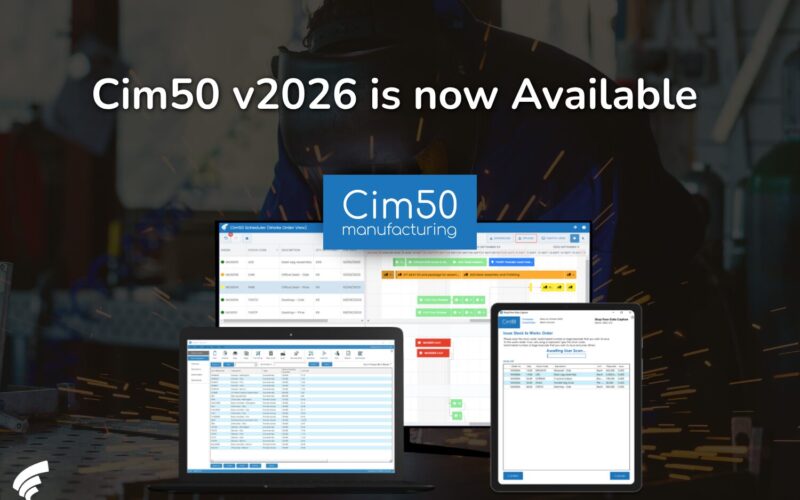
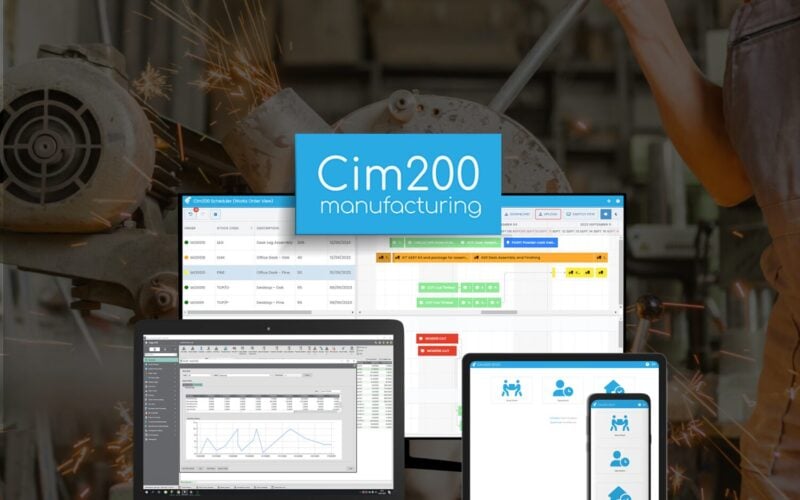
This is precisely where Cim50 and Cim200 come in. Built as manufacturing add-ons for Sage 50 and Sage 200, they extend the accounting platforms manufacturers already trust with works orders, bills of materials, production scheduling, and real-time stock visibility that inventory software alone can’t provide, all within a single, familiar environment. It keeps things simple for your team, giving them one source of truth throughout the production process, delivered in a program they already understand and trust.
If you’d like to see what that looks like for your business, we’d be glad to talk it through.